
Industrial Solutions

Ceramic insulation coating has provided oil and gas companies a proven solution for preventing corrosion under insulation (CUI), personnel protection, energy retention, process control and anti-condensation while allowing visual inspection of equipment surfaces. Successful applications on surface temperatures ranging from 40F/4C to 400F/204C include fuel storage tanks, LPG hemispheric tanks, heat exchangers, steam lines, product lines, process towers, compressors, boilers, exhaust ducts, and many others.
Industrial Value Propositions
- Insulates equipment while preventing Corrosion Under Insulation (CUI).
- Saves 25% energy on hot processes.
- Provides personnel protection on surfaces up to 400F.
- Outlasts traditional materials.
- Is spray-applied and water-based (non-hazmat and non-fire hazard).
- Fire retardant rated.
- Can be applied on hot surfaces.
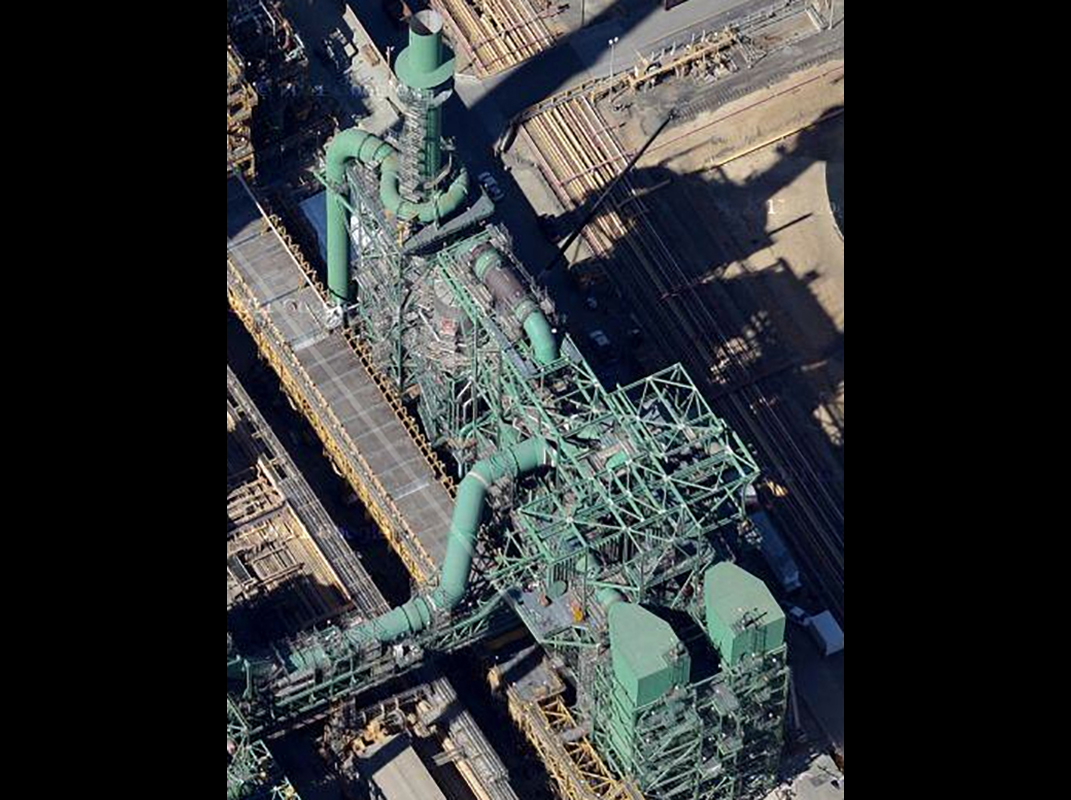
Diffuser Ducting Valero Benicia
Valerio Refinery, Benicia, CA: CIC helps control internal corrosion from condensation of caustic exhaust gas inside ducting. This is done by raising surface temperature on exteriors. Besides lower costs to insulate complex equipment surfaces, spray application of CIC also allows pre-insulation of ducting components before they’re assembled, reducing labor and application cost.
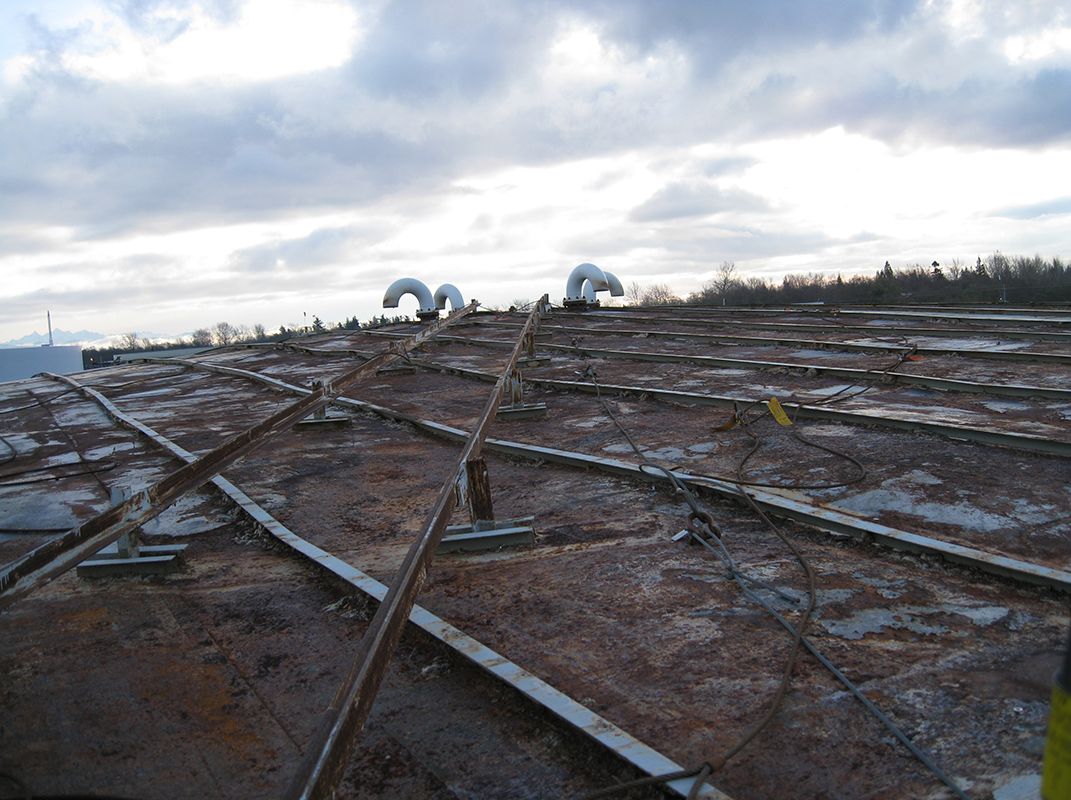
Ferndale Conoco Phillips Before Close-up Roof
ConocoPhillips Refinery, Ferndale, WA: Tank top roof insulation typically fails when wind lifting cracks sheet metal covers and lets water in. Besides failing to insulate, wet insulation corrodes roofs and reduces lifespan. CIC doesn’t have this problem and saves 10% of the energy cost at the same time.
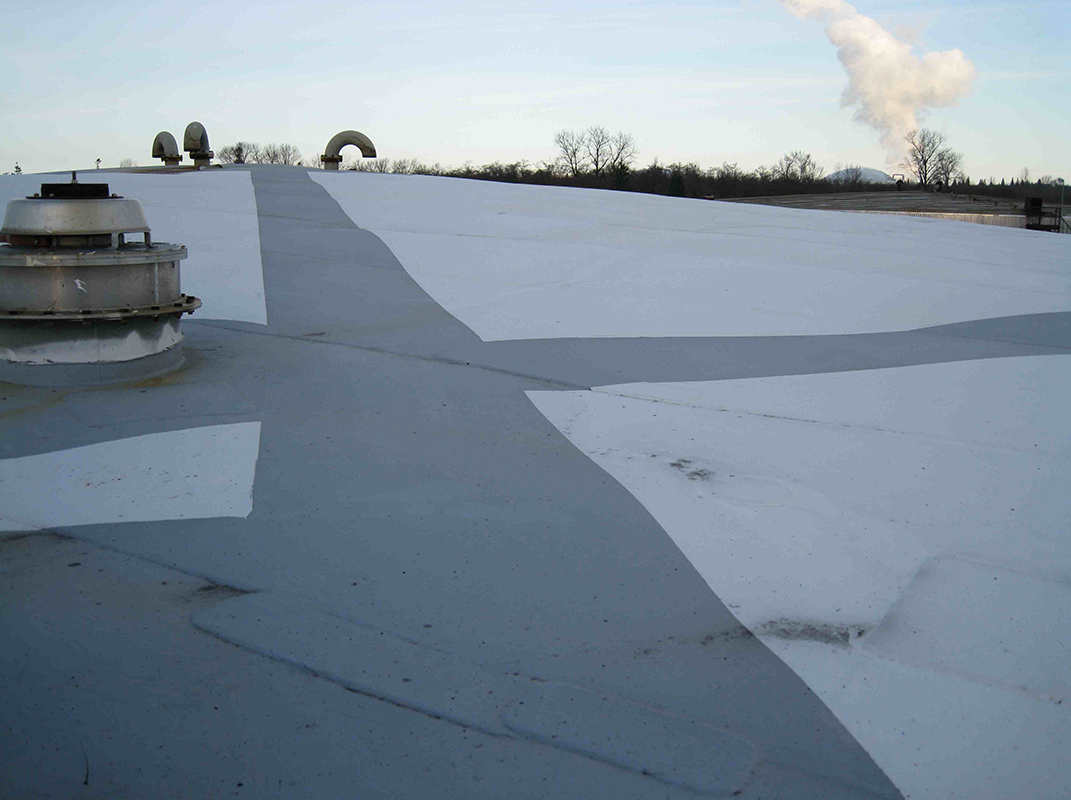
Ferndale Conoco Phillips In Process
ConocoPhillips Refinery, Ferndale, WA: Tank tops can be insulated with ACS CIC and allow visual inspection to prevent corrosion. The acrylic-based CIC can also be recoated when oxidation is detected after 10-14 years.
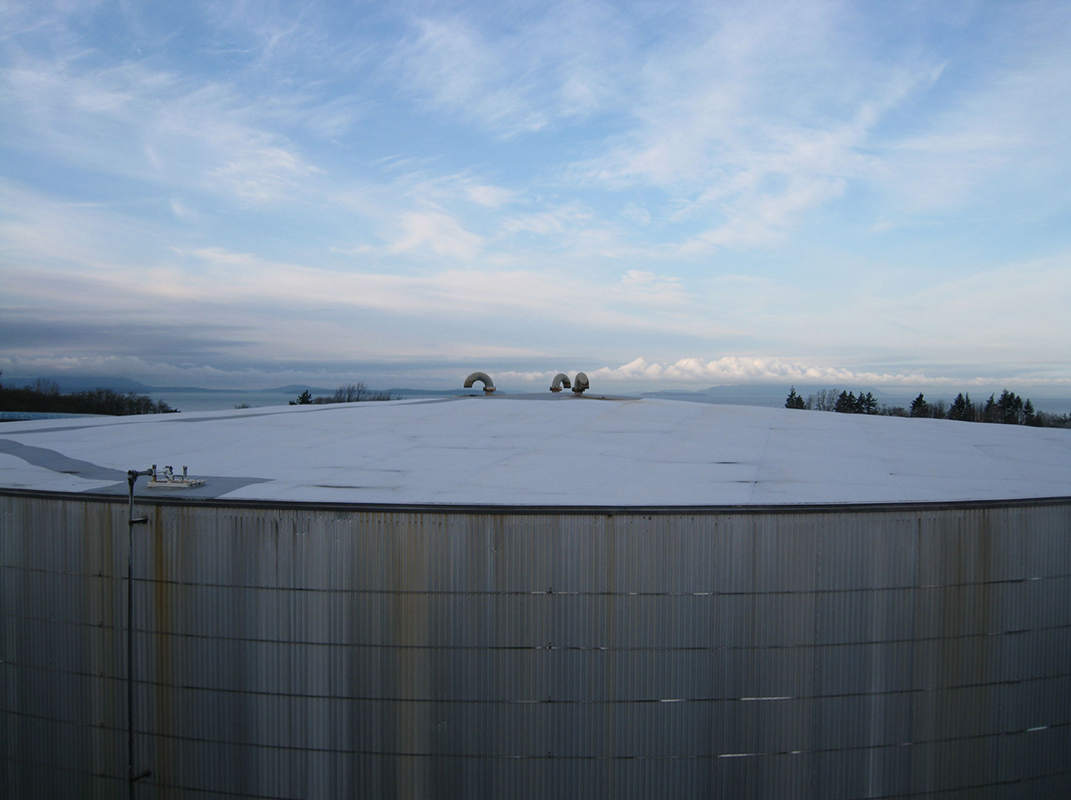
Ferndale Conoco Phillips Tank Top Coated
Tank top insulation panels typically fail from wind-based lifting that breaks metal seams. When water saturates conventional insulation, corrosion follows. That’s why most tank tops are not insulated. Using CIC at least saves upwards of 10% of energy cost for heating tanks in cold climates. On light fuel tanks, CIC reduces solar heat loading and evaporation-based loss.
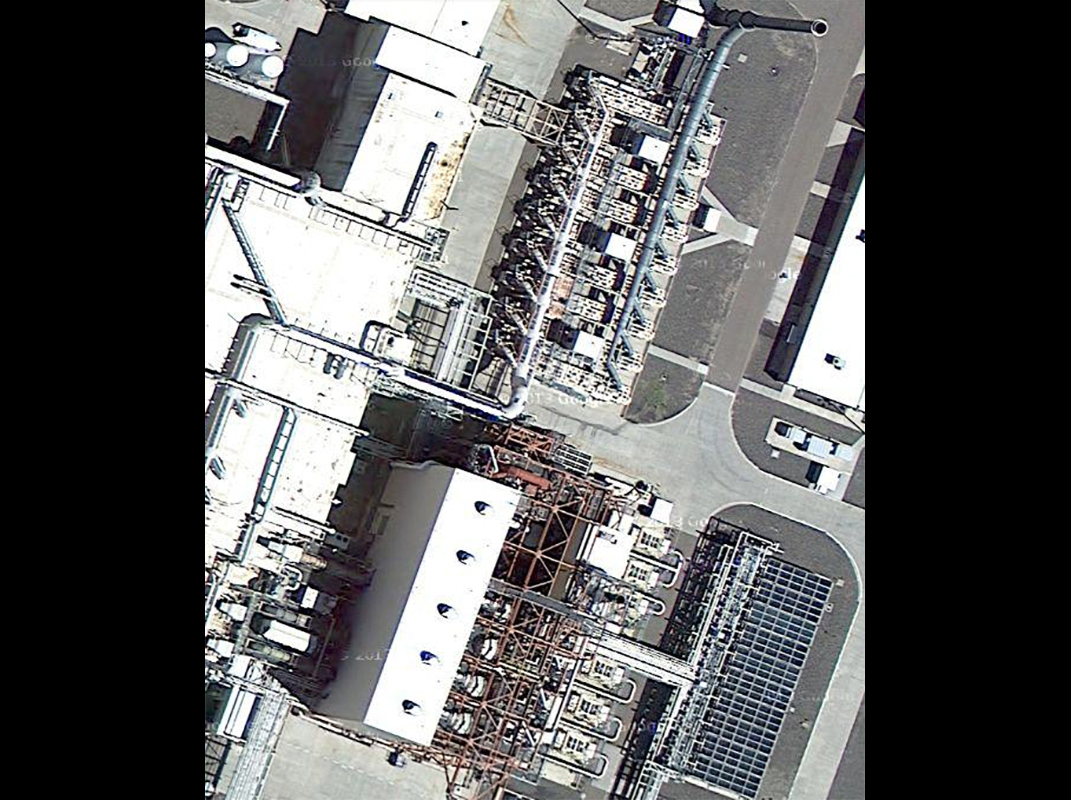
Internal Condensation Control, Umatilla Oregon Chemical Weapons Incinerator
Chemical Weapons Incinerator, Umatilla, OR: Ducting typically has internal condensation that’s cured with CIC coated exteriors.

Medite Bag Houses
Medite Bag Housing System, Medford, OR: “Bag houses” that collect saw dust from plants are typical problem areas for internal condensation. CIC on the exterior controls that.

Bag Houses Anti-Condensation
Medite Bag Housing System, Medford, OR: “Bag houses” that collect saw dust from plants are typical problem areas for internal condensation. CIC applied on exteriors controls that.

Tank Walls – Australia
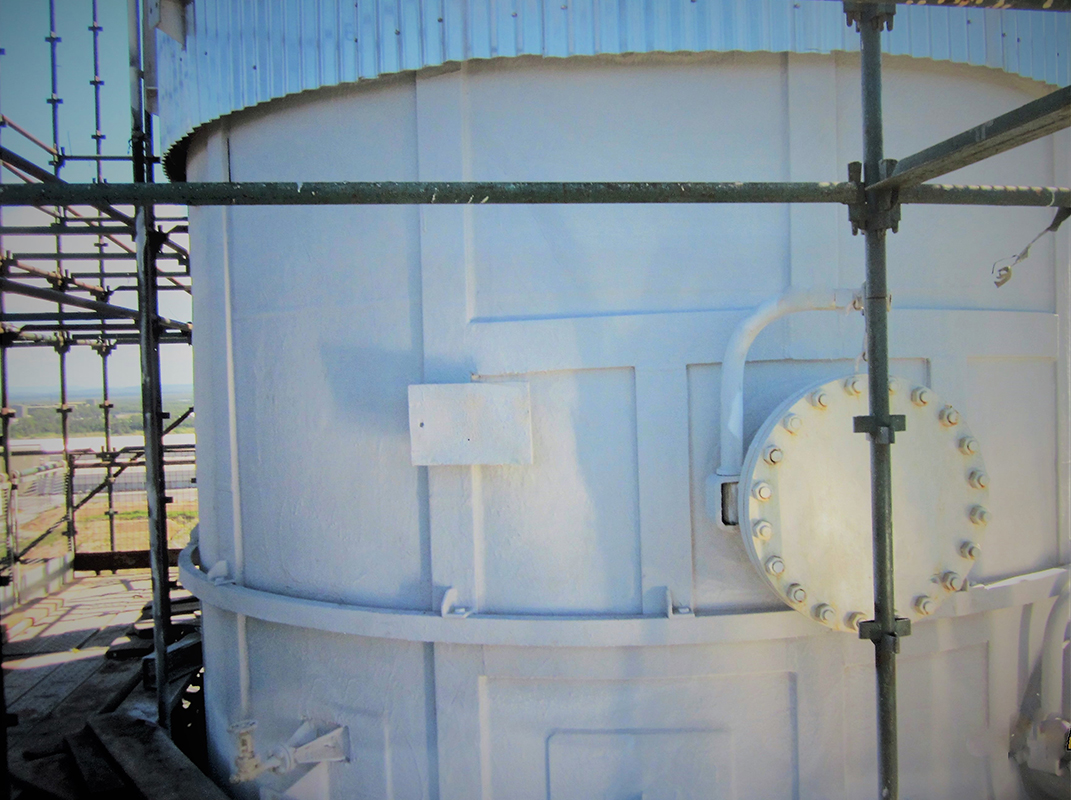
Tank Walls – Australia
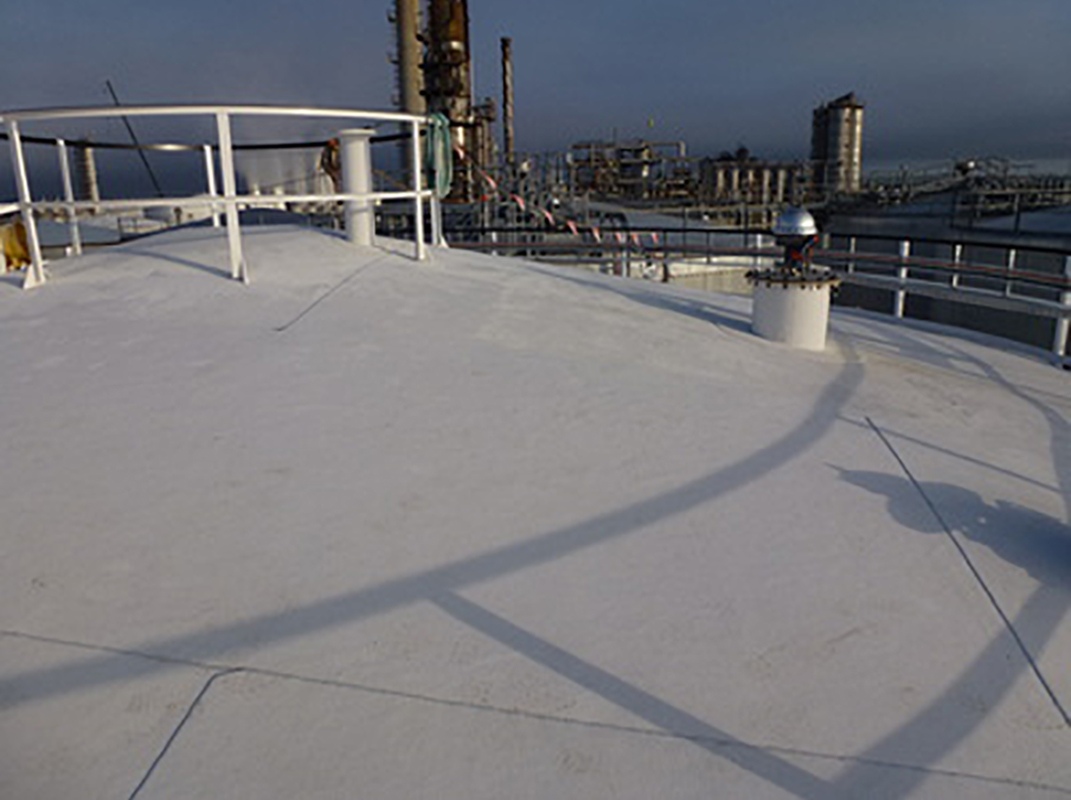
Bitumen (asphalt) Tanks – Australia
Hot tank tops and walls are easily insulated with ACS CIC. As you can see, surfaces can be easily inspected and won’t lead to CUI like conventional materials.
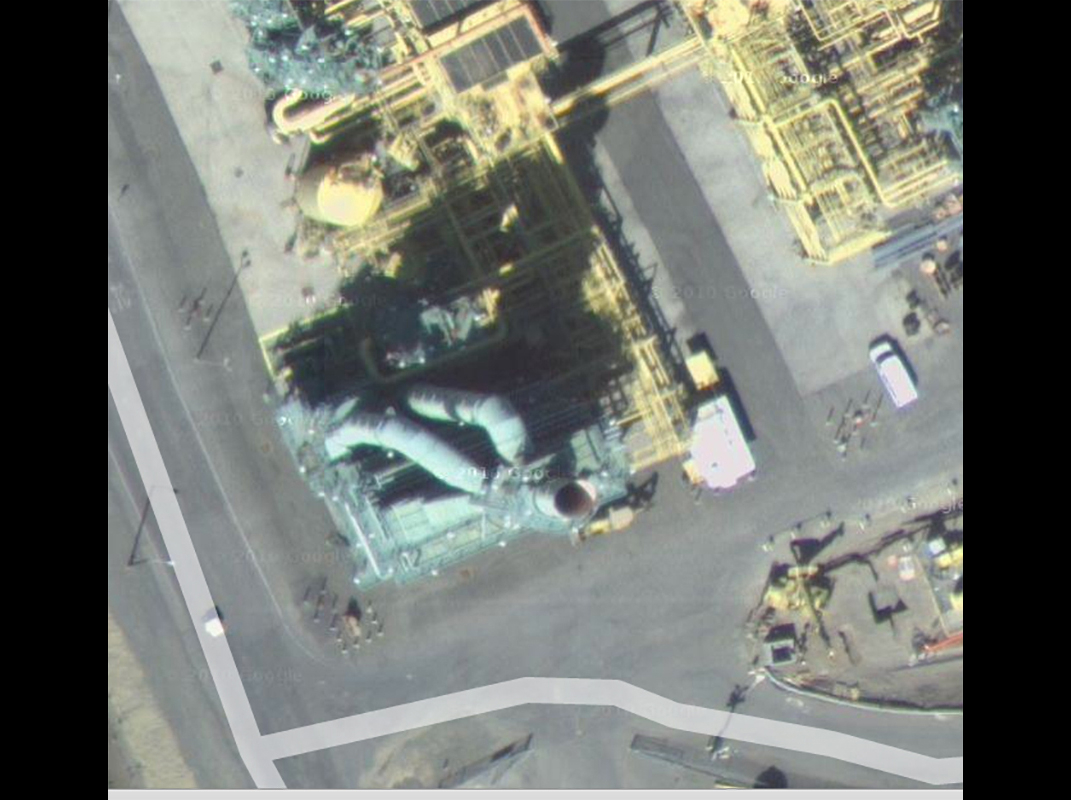
Valero Benicia Refinery Diffuser Ducting (Satellite Photo)
Hot caustic gases condensing on interior walls of exhaust ducting cause severe corrosion problems. Insulating with ACS CIC raises internal wall temperatures above dew point and reduces condensation.

Visy Pulp And Paper
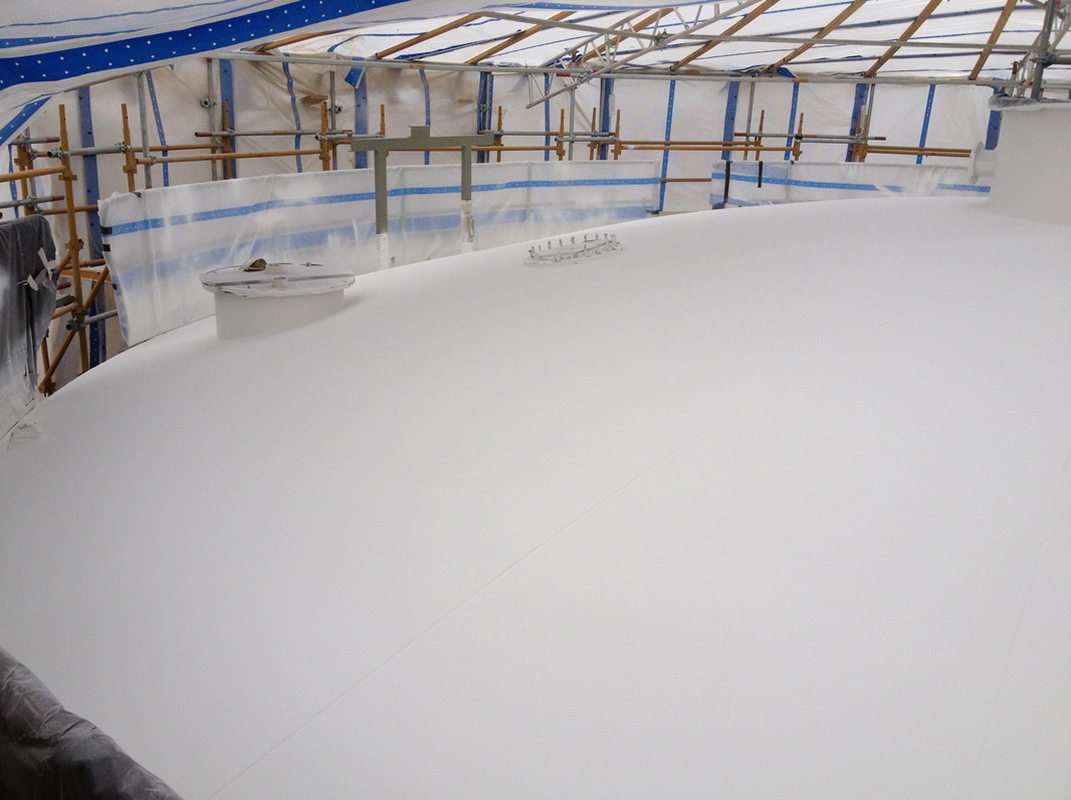
Waste Water Digester – Barry Scott Vessel
Complex surfaces are expensive to insulate and hard to protect from corrosion under insulation. ACS CIC insulates and protects from corrosion while also allowing visual inspection.
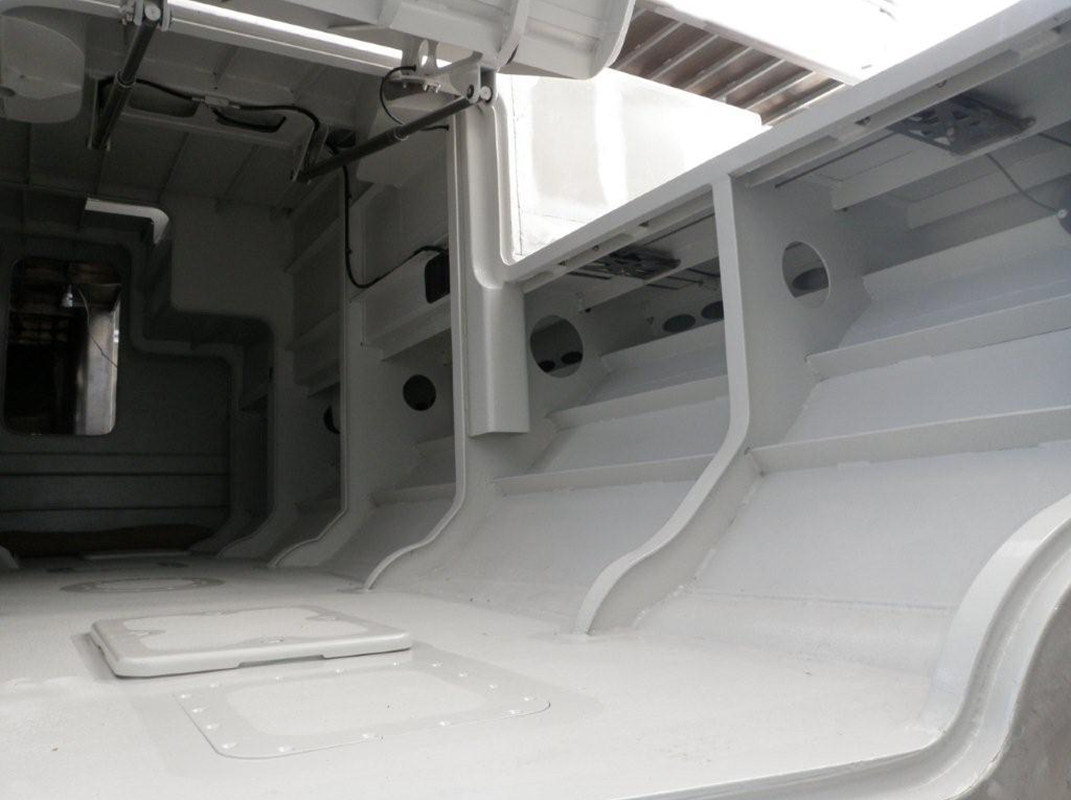
Barry Scott Vessel Interior – Australia
ACS CIC allows 100% insulation of interior surfaces on ships for insulation and condensation control.
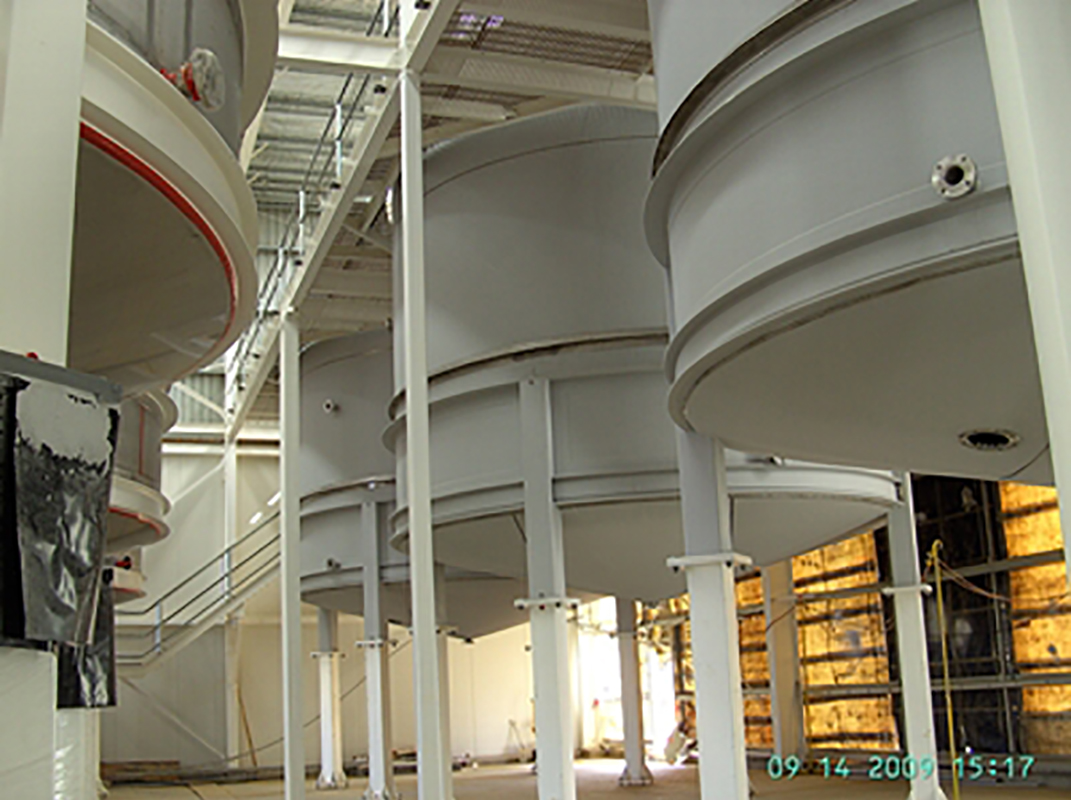
Bild Tanks – Australia
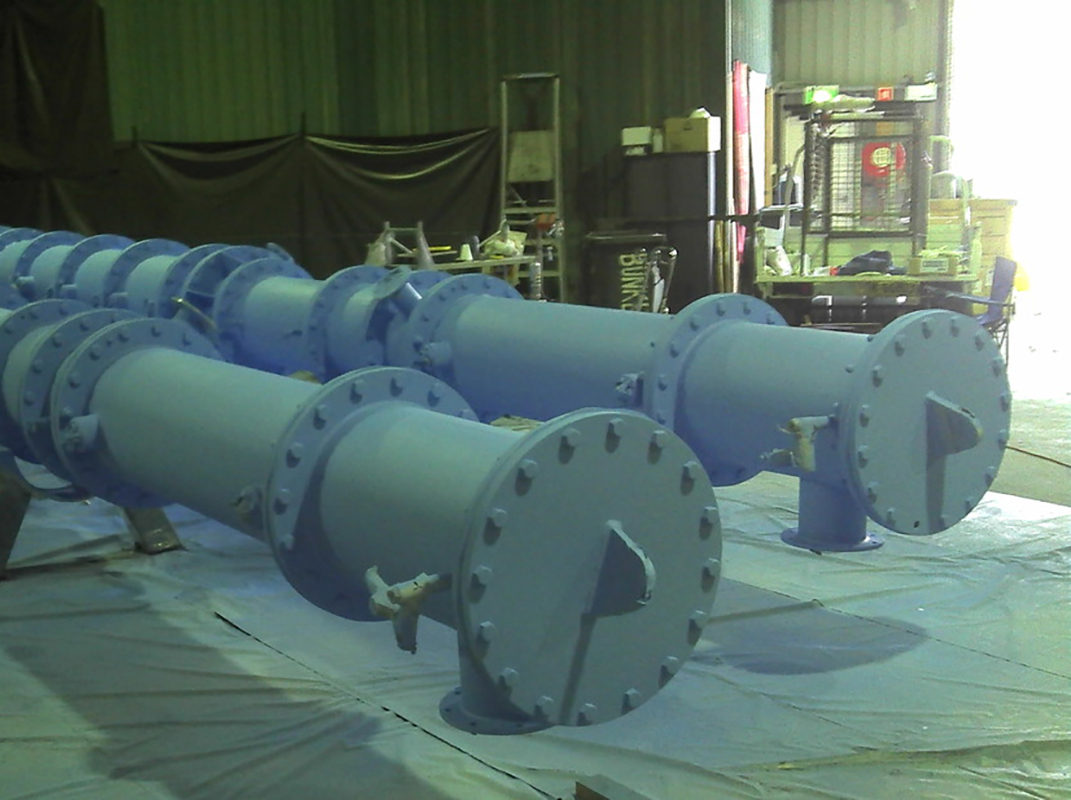
Blue Pipes – Australia

Blue Pipes – Australia
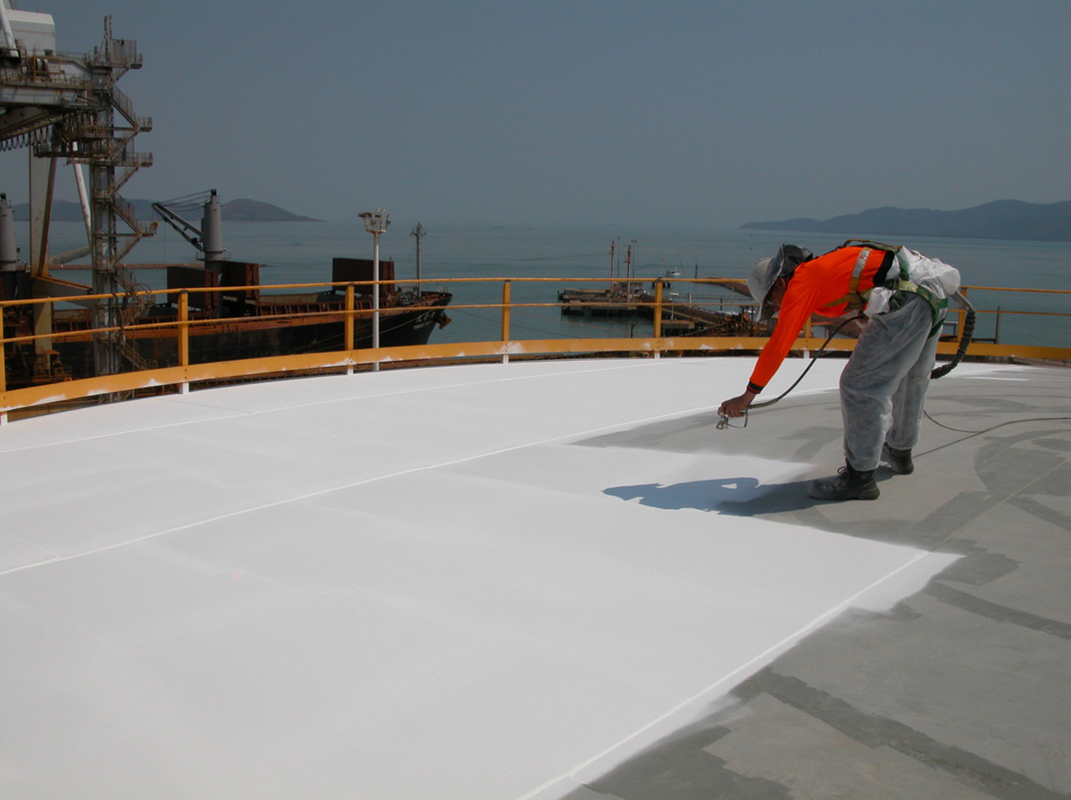
BP Bitumen (asphalt) Tank – Australia
Tank tops are rarely insulated because the conventional materials fail and cause corrosion. ACS CIC reduce heating costs by as much as 10% in cold regions.
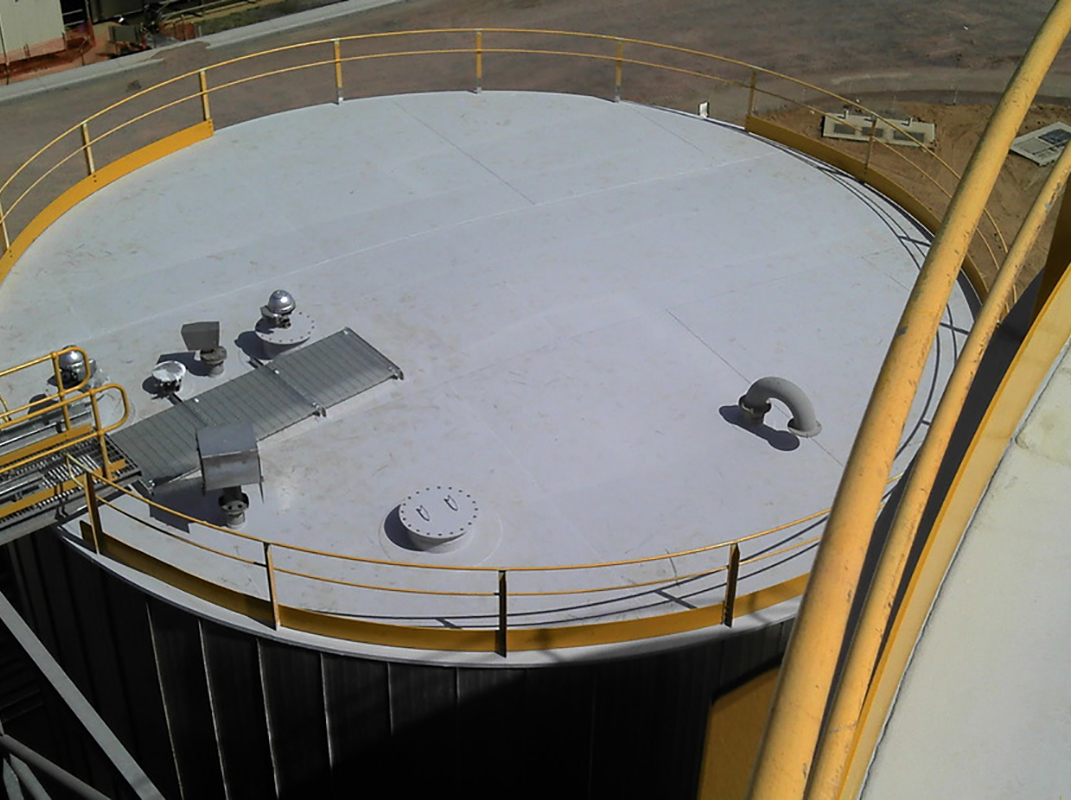
BP Townsville
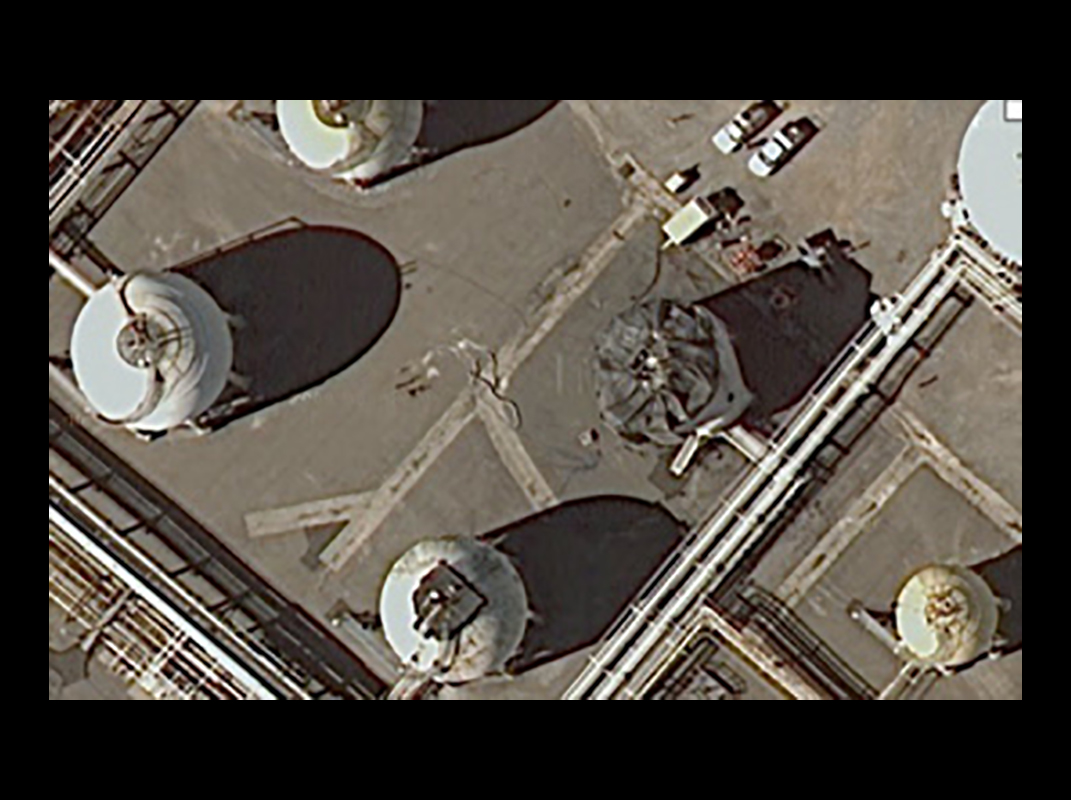
Chevron Richmond, LPG Solar Heat Load Tank Application (Satellite)
Chevron Richmond Refinery, Richmond, CA: Solar heat loading on LPG tanks caused product venting to flare system and required water quenching to cool tanks. While wasting product, this also resulted in waste water treatment costs. CIC at 60 mils (1.5mm) prevented venting and treatment-related costs.
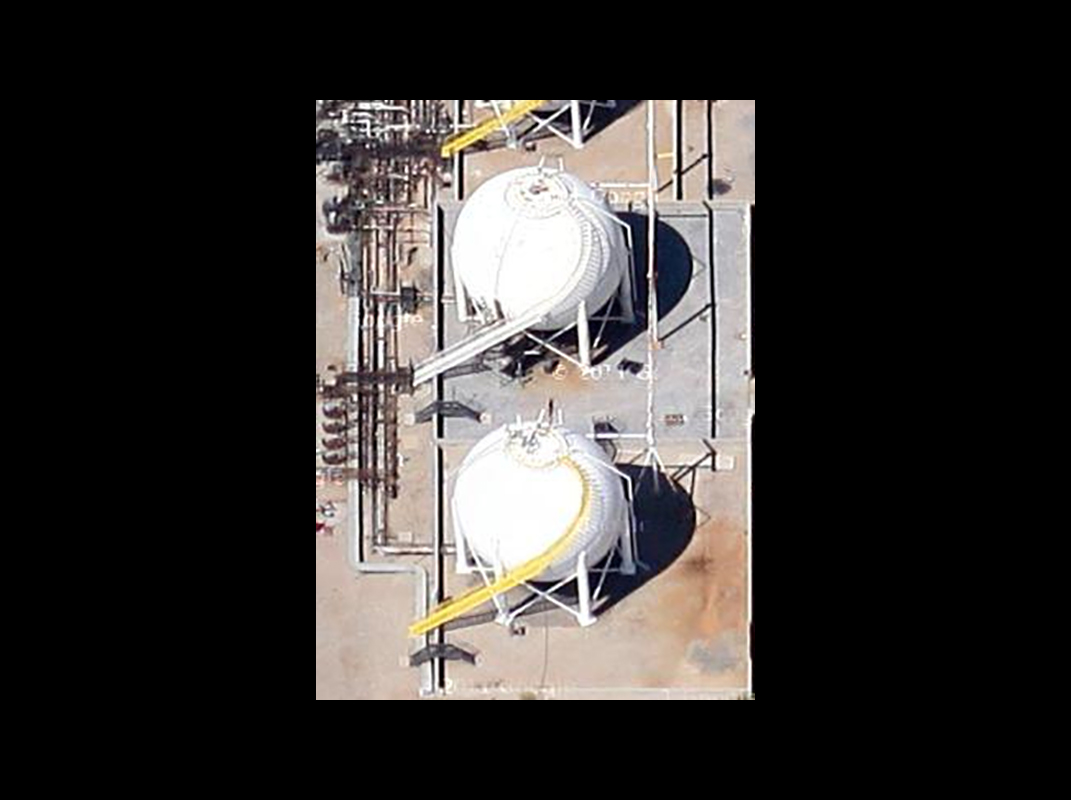
Chevron Salt Lake Cityt, UT, LPG Tanks
Chevron Refinery, Salt Lake City, UT – Solar heat loading on LPG tanks caused venting of contents to flare system and required water quenching on tanks. CIC at 40 mils (1mm) prevents venting even while warm LPG is added throughout the summer from solar heated tank cars.
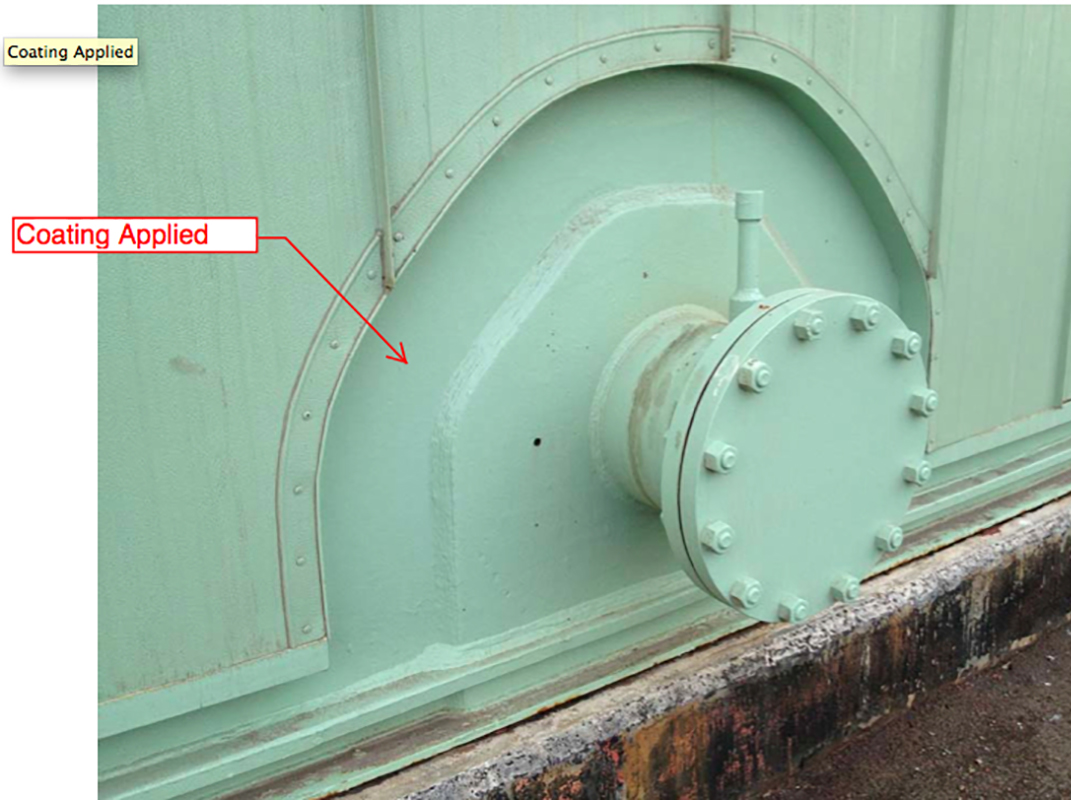
Chevron Tank Penetration, Hybrid Insulation
This shows a tank inlet that’s typically a source of corrosion under insulation (CUI) on tanks. Penetrations often fail and lead to moisture penetrating insulation and causing CUI. A better way to insulate is to use CIC around penetrations and only use mass-based materials where they’re less prone to failure.
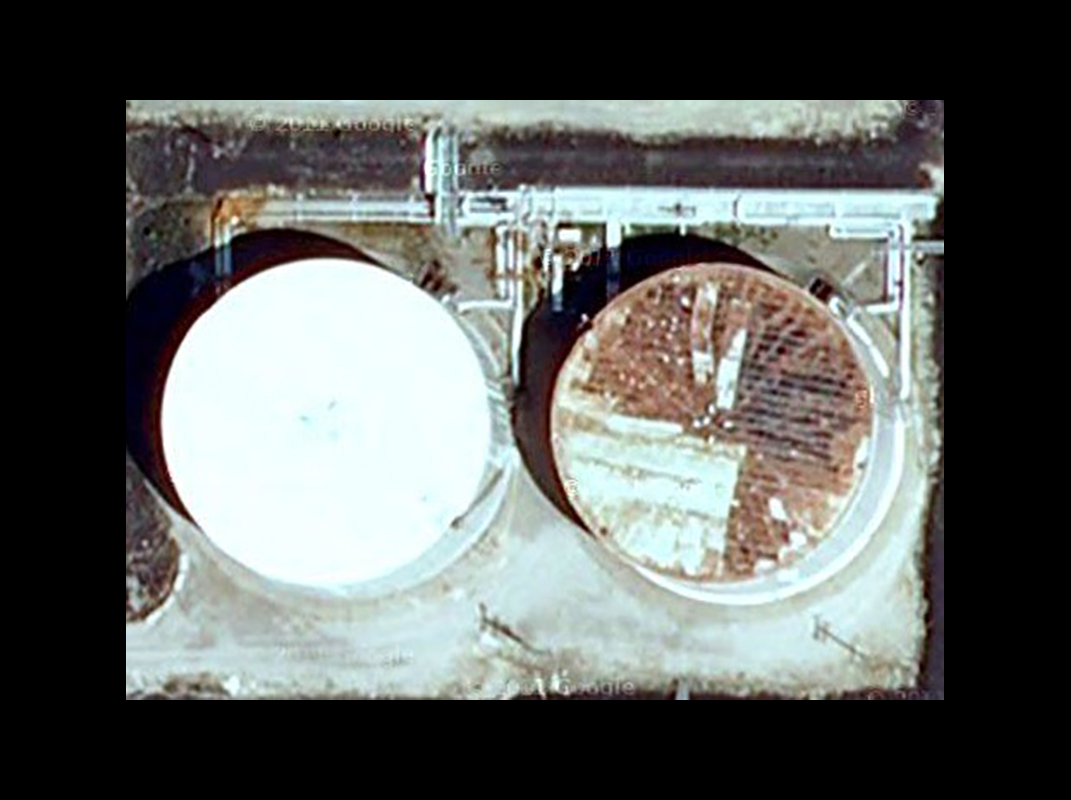
Conoco Phillips Tank Top, Ferndale, WA
ConocoPhillips Refinery, Ferndale, WA: Tank tops can’t be insulated with traditional materials due to wind-based pressure differential that lifts and breaks insulation panel seams. Broken seams cause water leaks and corrosion. Insulating with CIC prevents CUI, reduces energy loss by 10% and protects roofs from corrosion. Inspection cycles are longer, can be done visually without invasive testing and costs reduced significantly.
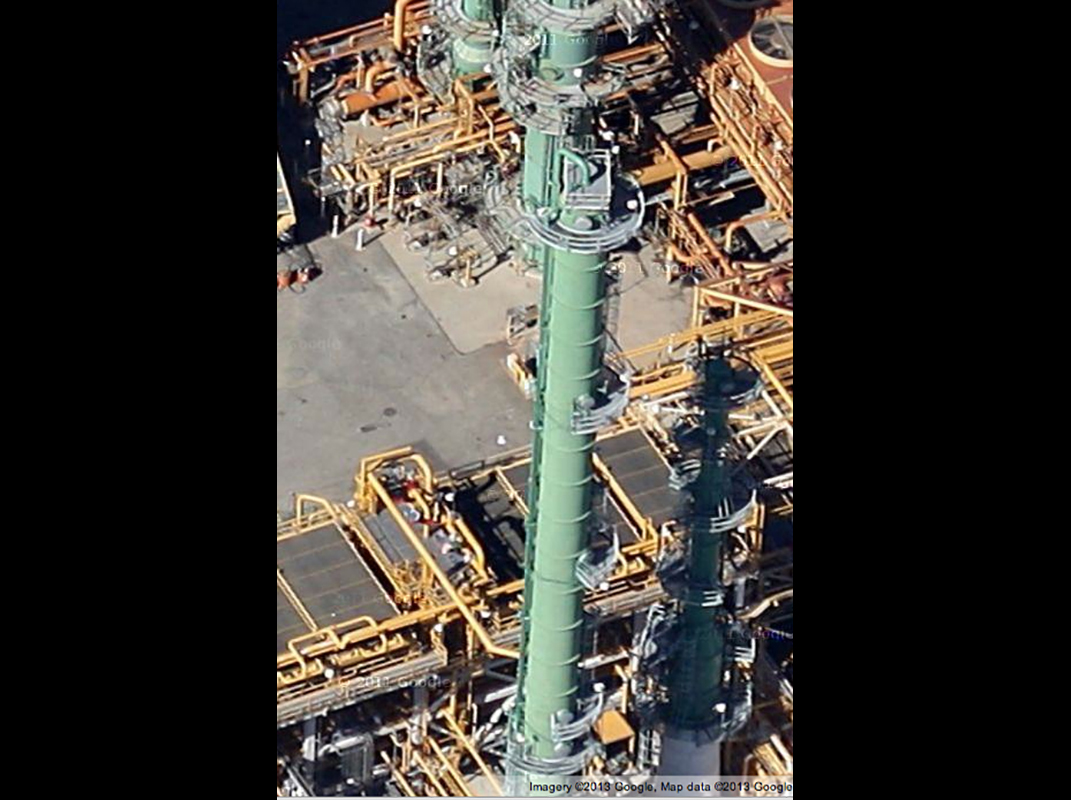
DIB Tower And Heat Exchangers (in back)
Valero Refinery, Benicia, CA: Plant process tower, heat exchangers and diffuser ducting systems were all insulated with CIC for heat retention, corrosion under insulation prevention, personnel protection and in the case of the ducting, to prevent internal condensation and corrosion. All applications performed to specifications.